



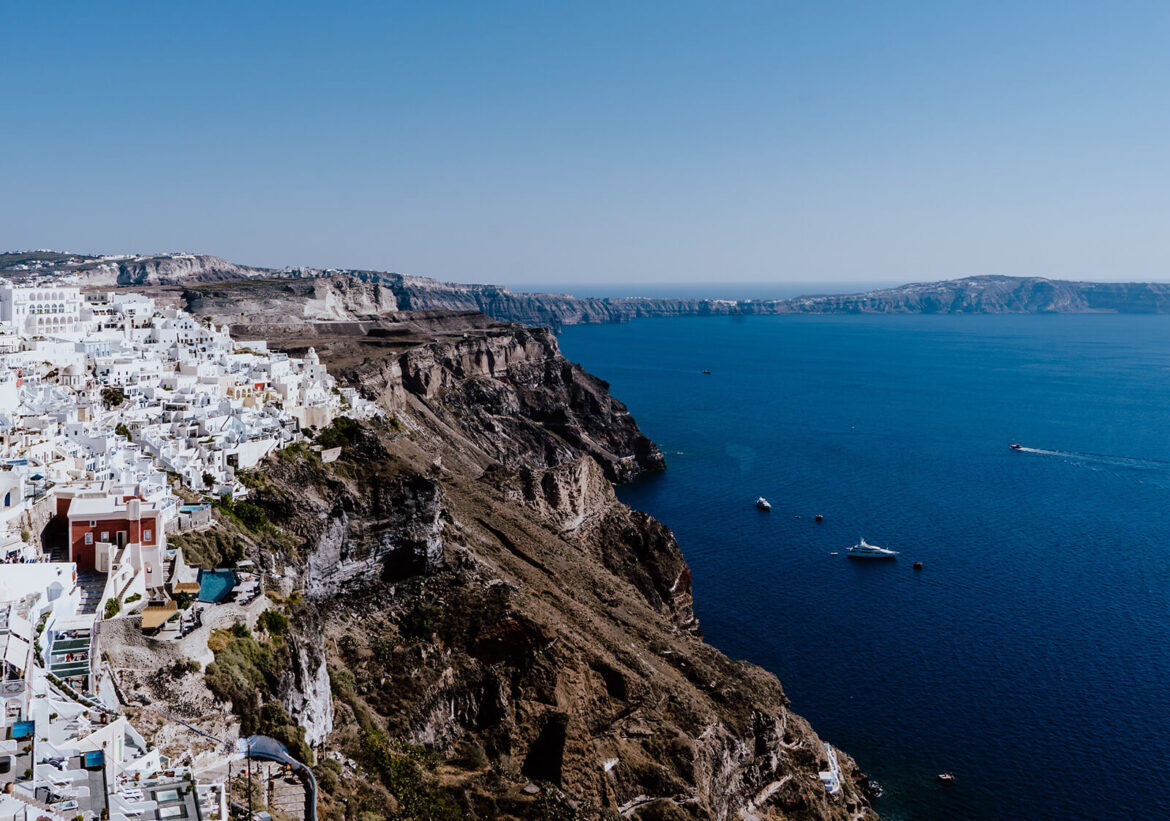
The Pagasetic Gulf is not just a geographical curve on the map of Greece; it is a living, breathing amphitheater of water and light, embraced by mountains and towns that seem to lean gently toward the sea. From the calm mornings when the surface lies still like polished glass to the slow-burning sunsets that dissolve into the horizon behind Pelion, the Pagasetic is less a destination and more a continuous experience.
Everything here moves at the pace of reflection—both literal and emotional—where travel becomes immersion rather than arrival. Along its coastline, hotels shape the classic face of hospitality, offering stays that often blend sea views with mountain silhouettes. Whether in the city of Volos or in smaller seaside settlements, these hotels become quiet observation points of the gulf’s ever-changing moods.
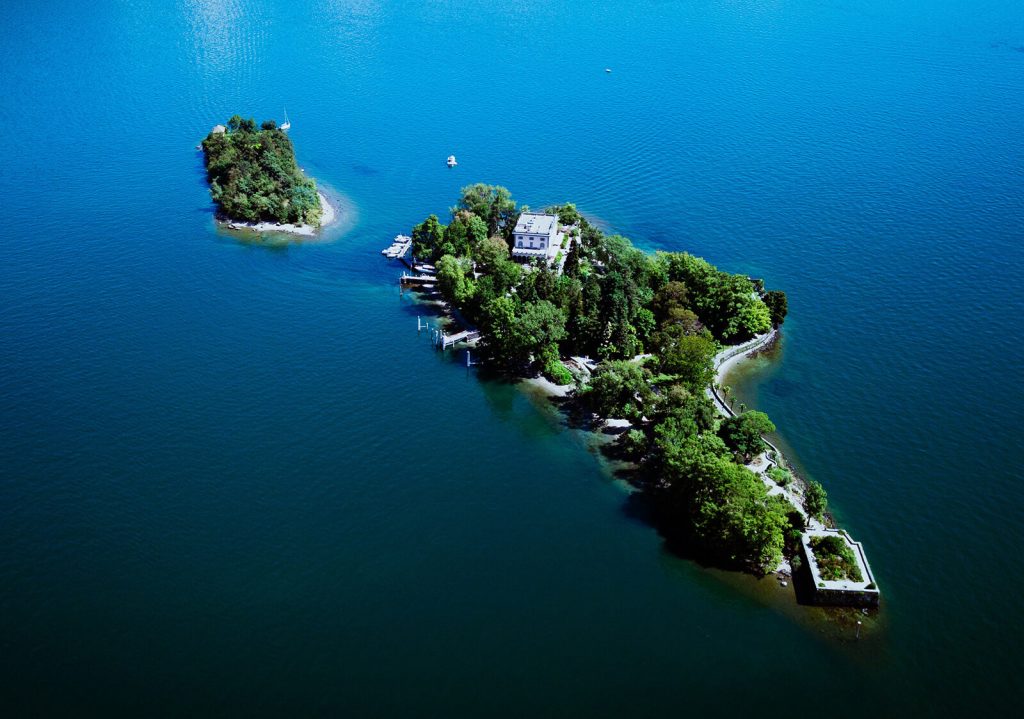
Pagasitic
Yet the modern traveler increasingly turns to Airbnb, where accommodation feels more personal, almost like stepping into a temporary version of local life, shaped by real homes, real neighborhoods, and the subtle rhythm of everyday living by the water.
Scattered across the coast and nearby villages, rental rooms continue to hold a deeply authentic place in the region’s identity. Simple, welcoming, and often family-run, they offer more than just a place to sleep—they offer proximity to the essence of the Pagasetic itself. The sound of waves replaces background noise, and the boundary between visitor and place becomes softer, more fluid. In contrast, apartments for rent provide a more independent experience, allowing travelers to shape their stay as they wish, from slow breakfasts overlooking the sea to quiet evenings that stretch into the sound of distant harbors.
The rise of short-term rentals has added a new layer of flexibility to the area’s accommodation landscape. From compact studios near the shore to renovated traditional houses hidden in coastal villages, these stays reflect the natural diversity of the gulf. They fit perfectly with the region’s character—unhurried, adaptable, and open to interpretation. No two stays feel the same, because no two days by the Pagasetic ever look the same either.
Digital platforms such as Booking hotels have transformed how visitors approach the region. What once required local knowledge or spontaneous searching can now be arranged in minutes, with comparisons, images, and reviews guiding the choice. Yet even the most efficient booking process cannot prepare the traveler for the moment of arrival, when the road finally opens to the gulf and the horizon appears wider, brighter, and unexpectedly still.
Although the idea of accommodation city center is typically associated with urban environments, in the context of the Pagasetic Gulf it takes on a more fluid meaning. In places like Volos, the “center” is not just a point on a map but a living interface between city and sea. Cafés stretch along the waterfront, small harbors hold fishing boats beside modern leisure craft, and daily life unfolds in a constant dialogue with the water. Staying in these areas means being part of that rhythm, where movement and stillness coexist without contradiction.
What makes the Pagasetic truly distinctive is not only its scenery, but the way it reshapes the idea of staying somewhere. From simple rental rooms to fully equipped apartments for rent, from traditional hotels to flexible Airbnb stays and evolving short-term rentals, each form of accommodation becomes a different lens through which the same landscape is experienced. The gulf does not change, yet every visitor sees it differently.
In the end, the Pagasetic Gulf is not defined by what you do there, but by how it quietly enters your perception. It is a place where time feels less like a sequence and more like a surface—always shifting, always reflecting, always returning you to the same calm truth: that sometimes the most lasting journeys are the ones that happen in still water and open light.